

What is CIRS
Chronic Inflammatory Response Syndrome (CIRS) is a multi-system illness triggered by prolonged exposure to biotoxins, including toxic mold. It can affect the immune system, nervous system, and overall health, causing fatigue, cognitive difficulties, and other persistent symptoms. Early detection and proper intervention are crucial to prevent long-term health complications.
CIRS is often overlooked because standard testing and inspections can miss hidden mold sources in homes and buildings. Using advanced K9 scent detection, Mold K9 Inspectors LLC identifies even the most concealed mold infestations. Our dual-certified team provides accurate results, actionable remediation steps, and guidance to help families reclaim a healthy living environment.
Symptoms of Mold Toxicity and Exposure
Mold exposure can trigger a wide range of symptoms, from chronic fatigue and headaches to respiratory issues and memory problems. Symptoms vary depending on the type of mold, duration of exposure, and individual sensitivity. Identifying these signs early allows for targeted remediation and improved health outcomes.
Common Symptoms Linked to Mold Exposure and Toxicity
Below is a comprehensive, categorized list of 200 symptoms associated with mold toxicity and mold exposure (including CIRS, mycotoxicosis, inflammatory response, immune dysregulation, and neurologic effects).
⚠️ Educational use only — not medical advice. Symptoms vary widely depending on genetics (HLA-DR), exposure load, duration, species, and co-infections (Lyme, MARCoNS, etc.).
🧠 NEUROLOGICAL & COGNITIVE (1–30)
- Brain fog
- Memory loss
- Short-term memory impairment
- Difficulty concentrating
- Confusion
- Word-finding difficulty
- Slow processing speed
- Poor executive function
- Disorientation
- Dizziness
- Vertigo
- Lightheadedness
- Head pressure
- Migraines
- Chronic headaches
- Tingling sensations
- Numbness
- Tremors
- Internal vibrations
- Neuropathy
- Sensitivity to light
- Sensitivity to sound
- Sensitivity to motion
- Visual disturbances
- Blurred vision
- Tunnel vision
- Floaters
- Trouble multitasking
- Feeling “detached”
- Dissociation
😟 PSYCHIATRIC & EMOTIONAL (31–55)
- Anxiety
- Panic attacks
- Depression
- Mood swings
- Irritability
- Rage episodes
- Emotional instability
- Crying spells
- Hopelessness
- Loss of motivation
- Anhedonia
- Suicidal ideation
- Intrusive thoughts
- Paranoia
- OCD tendencies
- PTSD symptoms
- Derealization
- Depersonalization
- Nightmares
- Insomnia
- Restless sleep
- Fear without cause
- Social withdrawal
- Loss of joy
- Emotional numbness
👃 ENT / RESPIRATORY (56–80)
- Chronic sinus congestion
- Post-nasal drip
- Sinus pressure
- Sinus infections
- Nosebleeds
- Bloody mucus
- Nasal inflammation
- Loss of smell
- Altered smell
- Chronic cough
- Wheezing
- Shortness of breath
- Chest tightness
- Asthma-like symptoms
- Frequent throat clearing
- Sore throat
- Hoarseness
- Burning nasal passages
- Ear pressure
- Ear fullness
- Ear pain
- Tinnitus
- Popping ears
- Frequent colds
- Chronic bronchitis
🫀 CARDIOVASCULAR & AUTONOMIC (81–100)
- Heart palpitations
- Tachycardia
- Bradycardia
- POTS symptoms
- Blood pressure instability
- Dizziness on standing
- Fainting
- Near-syncope
- Cold extremities
- Heat intolerance
- Exercise intolerance
- Chest pain (non-cardiac)
- Air hunger
- Poor circulation
- Night sweats
- Adrenal crashes
- Weak pulse
- Internal shaking
- Dysautonomia
- Temperature dysregulation
🦴 MUSCULOSKELETAL & PAIN (101–125)
- Joint pain
- Muscle pain
- Muscle weakness
- Muscle cramps
- Muscle twitching
- Joint stiffness
- Morning stiffness
- Migratory pain
- Bone pain
- Back pain
- Neck pain
- Shoulder pain
- Hip pain
- Knee pain
- Inflammation flares
- Tendon pain
- Ligament pain
- Burning muscles
- Exercise-induced pain
- Reduced mobility
- Swelling
- Edema
- Trigger points
- Fibromyalgia-like pain
- Body aches
🍽️ GASTROINTESTINAL (126–150)
- Nausea
- Vomiting
- Loss of appetite
- Increased appetite
- Food sensitivities
- Food intolerances
- Bloating
- Gas
- Abdominal pain
- Diarrhea
- Constipation
- Alternating stool patterns
- IBS symptoms
- Acid reflux
- GERD
- Stomach burning
- Early satiety
- Malabsorption
- Weight gain
- Weight loss
- Blood sugar instability
- Cravings
- Candida overgrowth
- Leaky gut
- Abdominal inflammation
🧬 IMMUNE & INFLAMMATORY (151–170)
- Chronic inflammation
- Frequent infections
- Poor wound healing
- Autoimmune flares
- Histamine intolerance
- Mast cell activation
- Allergies worsening
- New allergies
- Chemical sensitivities
- Fragrance sensitivity
- Medication reactions
- Vaccine intolerance
- Cytokine storms
- Low white blood cells
- Elevated inflammatory markers
- Immune suppression
- Immune hyper-reactivity
- Swollen lymph nodes
- Chronic fevers
- Flu-like malaise
🧴 SKIN, HAIR & MUCOUS MEMBRANES (171–185)
- Rashes
- Hives
- Eczema
- Psoriasis flares
- Itching
- Burning skin
- Crawling skin sensations
- Skin flushing
- Acne
- Hair loss
- Brittle hair
- Brittle nails
- Dry skin
- Dark circles under eyes
- Slow skin healing
⚖️ HORMONAL & METABOLIC (186–200)
- Thyroid dysfunction
- Hormone imbalance
- Menstrual irregularities
- PMS worsening
- Infertility issues
- Low libido
- Erectile dysfunction
- Cortisol dysregulation
- Insulin resistance
- Hypoglycemia
- Weight gain resistant to diet
- Weight loss resistance
- Fatigue after eating
- Chronic fatigue
- Post-exertional malaise
Where Does Mold
Hide in Your Home
Mold often thrives in hidden or hard-to-reach areas, including behind walls, under flooring, inside HVAC systems, and around leaks in bathrooms or basements. Even small leaks can create the perfect environment for toxic mold growth. Professional K9 inspections detect these hidden sources without unnecessary demolition.

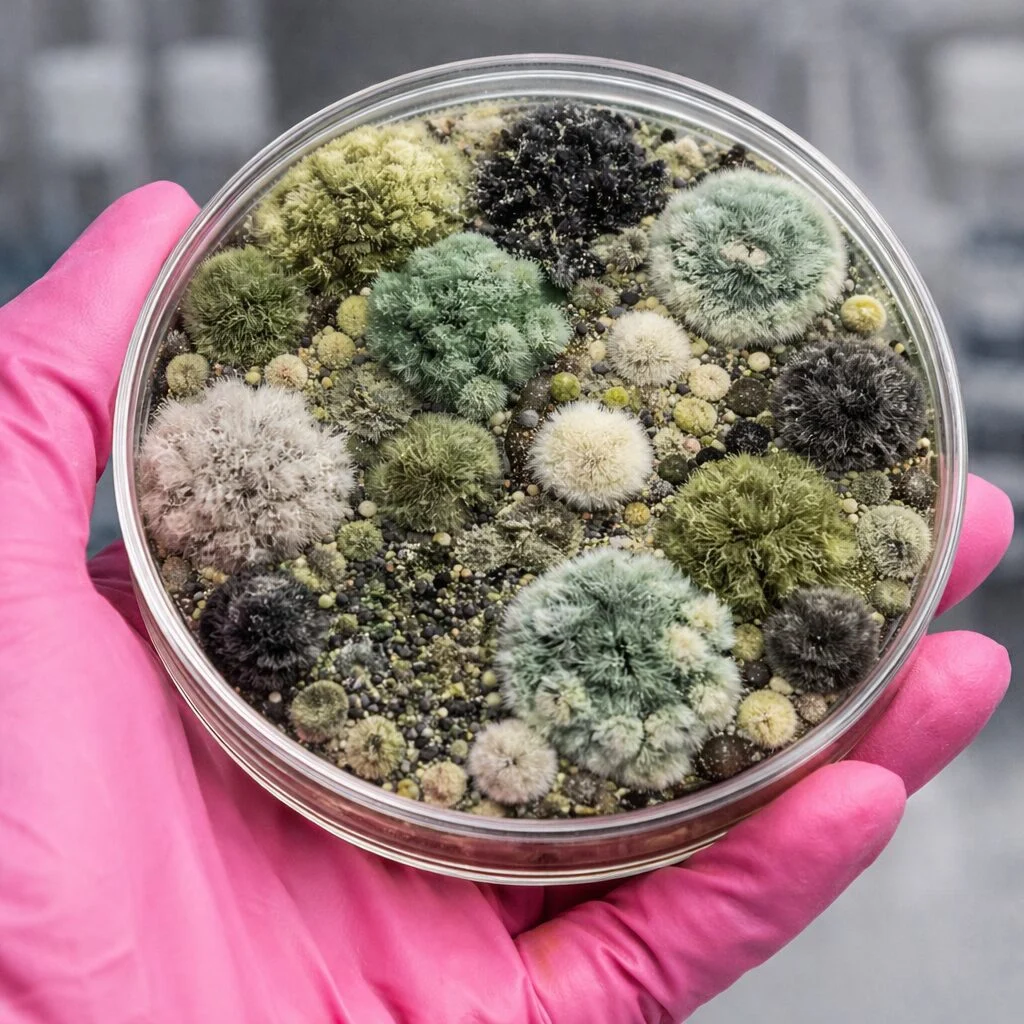
Top 5 Most Toxic Molds
Certain molds pose a higher risk to health.
The top five most toxic molds include:
Stachybotrys Chartarum (Black Mold)
Aspergillus Versicolor
Chaetomium Globosum
Wallemia Sebi
Aspergillus Penicilloides
Each produces dangerous biotoxins that can affect respiratory, neurological, and immune health. Identifying these early is critical for safe remediation.
Other Resources
Dr. Richie Shoemakers Website www.survivingmold.com